Saturday, April 23, 2016

Shakuhachi 101


And as we grow calm... 
we play to wake others up
we play to offer prayers 
we play to bring peace
we play to honor the spirits that are before us

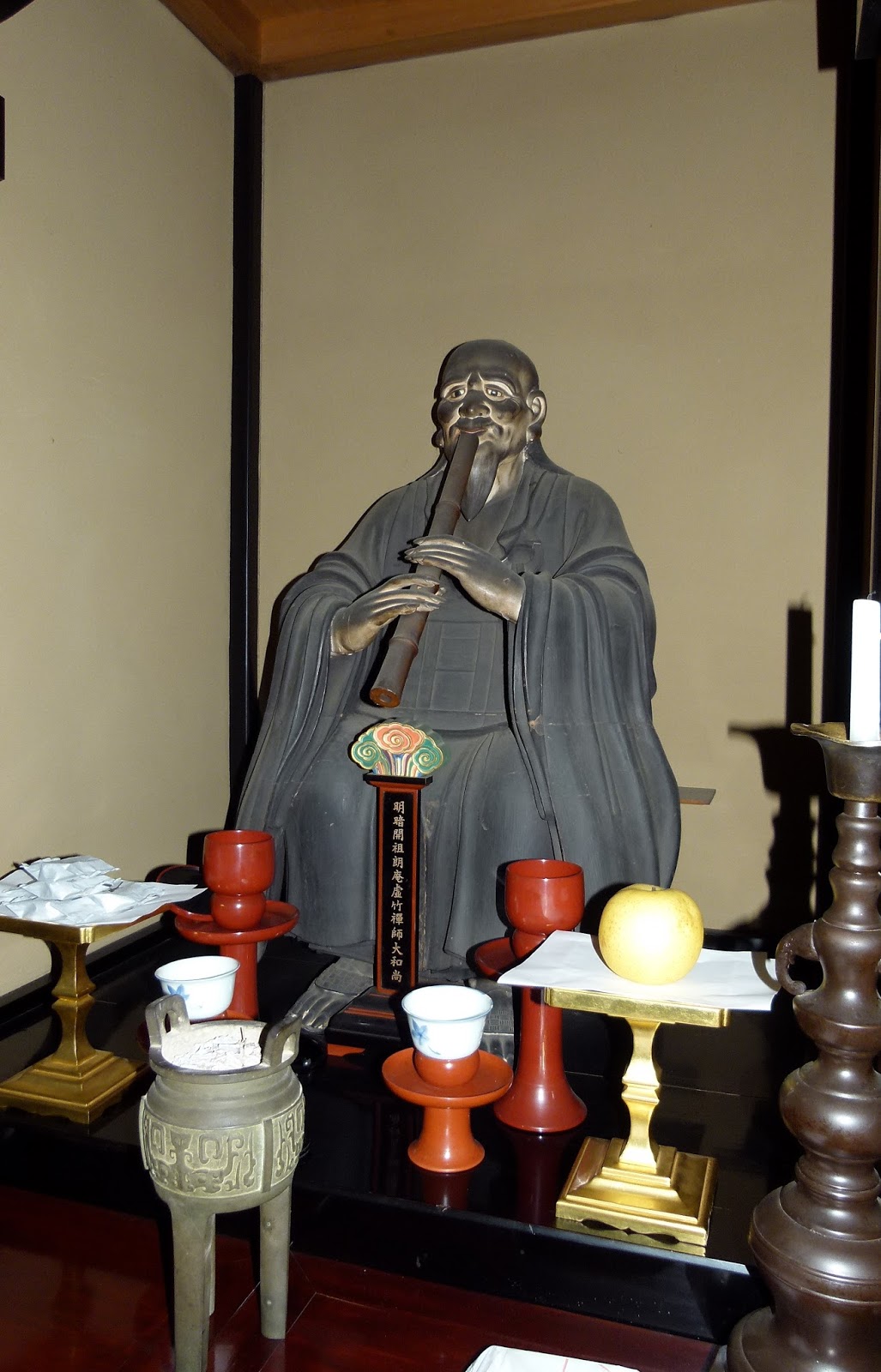
Tofukuji Altar

earth komuso sky dragon connection

Meditative Side Blowing Technique

Advanced players blow the bore on the side to improve the resonant harmonic tonalities of some bamboo, adding a distinctive sawari that compliments nature and sound.

Nara Dreamland to Infinity


Friday, April 22, 2016

Sunday, April 17, 2016

Tuesday, April 12, 2016

Thursday, March 3, 2016

Komuso Shomu Travels

1st Millennium ancient stone carvings of shakuhachi players on the mountain path around Takatori Castle, Nara Prefecture.


Thursday, February 25, 2016

In the Bamboo


Remember Kakushin's Kesa

Kakushin's Kesa worn before 1299

Where is Kakushin's Shakuhachi?

Sunday, February 21, 2016

Alms Cup

returning the bowl

Friday, February 19, 2016

Thursday, February 18, 2016

Wednesday, February 17, 2016

Sumi Ink

Old Monk and Shakuhachi

Tuesday, February 16, 2016

Monday, February 15, 2016

For the Jizu...

who resemble the komuso...

 just passing through!

Wednesday, February 10, 2016

The Shakuhachi in the Stone


My Teacher

field of peonies
in the forest of tall pines
do they hear the flute?

Komuso After Dark


Friday, February 5, 2016

Wednesday, February 3, 2016

Komoso

Forerunner of the Komuso.  With bedroll, sword, flute and long hair.


Saturday, January 30, 2016

Zen Lineage from Bodhidharma to Kyochiku Zenshi


From the 1966 classic Zen Dust

Kyochiku Zenshi at the Myoanji Altar

Sunday, January 24, 2016

Ancient Temple Artifacts of the Bamboo Flute

Todaiji, Nara, 8th century.

Horyuji, Nara, 7th century.

Byodo-in, Uji, 11th century.

Byodo-in, Uji, 11th century.
The octagonal lantern in front of the Daibutsuden at Todaiji is the only artifact remaining intact from the original temple besides the Daibutsu's lotus-petal throne and the drapery part of the left femoral region. Completed in 794.

Two more shakuhachi lanterns, identical to the earlier Todaiji lantern, appear at the main pagoda of My. Koya, and the mausleum of Kobo Daishi, 9th century.


Tuesday, January 5, 2016

Wednesday, December 23, 2015